What Is a Pituitary Adenoma?
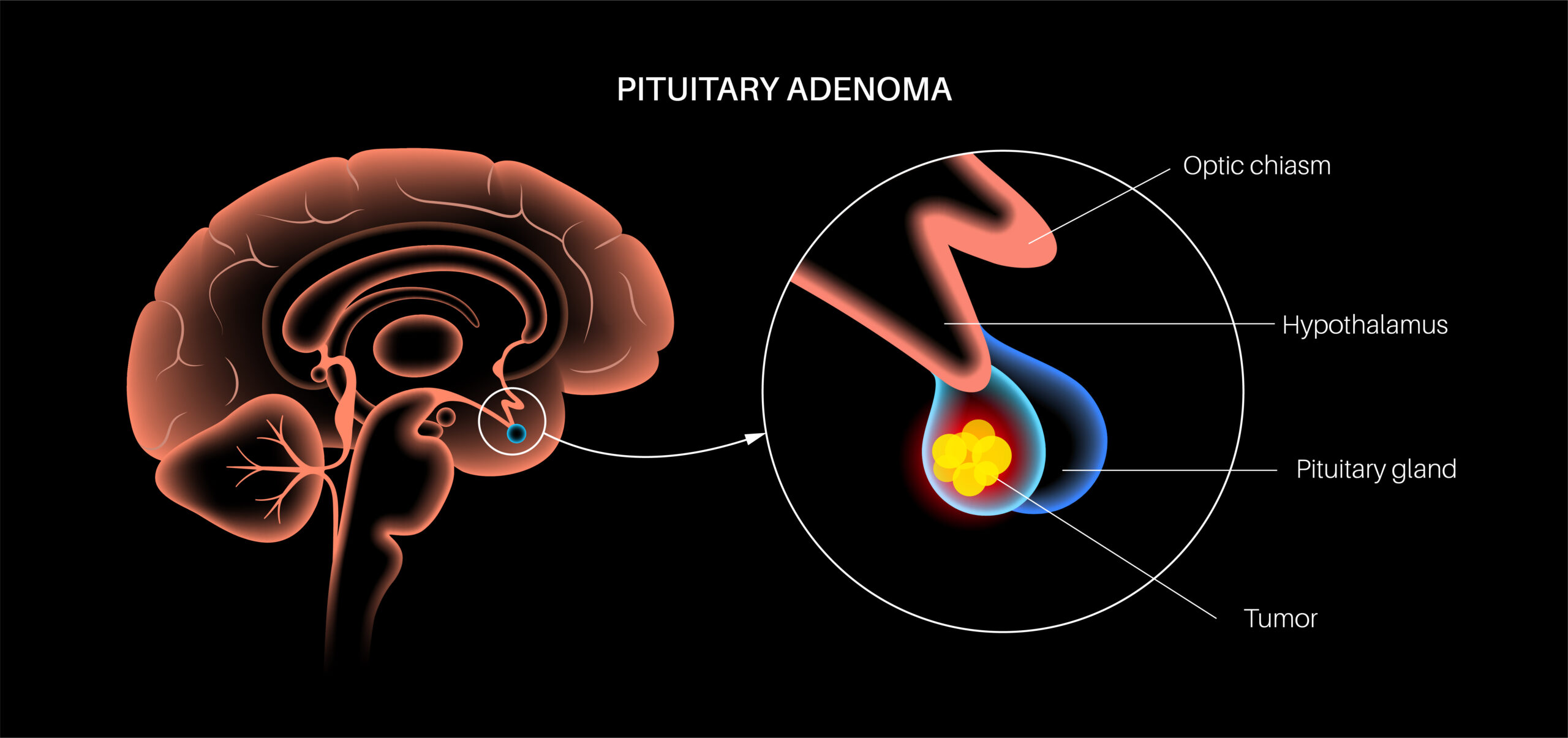
A pituitary adenoma is a non-cancerous tumor that grows in the pituitary gland. This small gland sits at the base of your brain. It controls many hormones that affect your body. Because of its location, a pituitary adenoma is often called a brain tumor. However, most pituitary adenomas are not cancerous. Still, they can cause problems by pressing on nearby tissues or changing hormone levels.
How Pituitary Adenomas Affect Hormones
Since the pituitary gland makes important hormones, a tumor here can disrupt your body’s balance. For example, some pituitary adenomas make extra hormones. Others may stop the gland from making enough hormones. As a result, you might notice changes in your body, mood, or energy. In many cases, hormone imbalance is the first sign of a pituitary adenoma.
Because hormones affect so many body functions, the symptoms can vary widely.
Common Symptoms and Signs
Although symptoms depend on the type of hormone affected, some signs are more common. For instance, you may notice:
However, some people may not have any symptoms at first. Over time, as the tumor grows or hormone levels change, symptoms may appear.
Causes and Risk Factors
Doctors do not know exactly what causes pituitary adenomas. Still, some factors may raise your risk. For example, a family history of pituitary tumors can increase your chances. Rare genetic conditions, such as multiple endocrine neoplasia type 1 (MEN1), may also play a role. But for most people, there is no clear cause.
Even though these risk factors exist, most people with pituitary adenomas have no known risk.
Diagnosis and Tests
If your doctor suspects a pituitary adenoma, several tests can help confirm it. First, blood and urine tests check your hormone levels. Next, imaging tests like MRI or CT scans show the size and location of the tumor. Sometimes, vision tests are needed if the tumor is near the nerves for your eyes. Early diagnosis helps guide the best treatment plan.
Treatment Options
Treatment depends on the size of the tumor and which hormones are affected. In many cases, doctors use one or more of these options:
Because each case is different, your doctor will suggest the best plan for you. Regular follow-up is important to check hormone levels and watch for changes.
Lifestyle Tips and Prevention
While you cannot always prevent pituitary adenomas, healthy habits can support your overall well-being. For example:
Although these steps cannot stop a tumor from forming, they help you stay healthy and spot problems early.
When to See a Doctor
If you notice symptoms like headaches, vision changes, or unexplained weight gain, see your doctor. Early treatment can prevent serious problems. Additionally, if you have a family history of pituitary tumors, regular check-ups are wise. Remember, only a doctor can diagnose and treat pituitary adenomas.
Consult Dr Machireddy Amarnath Reddy at Aarka Hospital for personalized advice regarding pituitary adenomas.
Sources: Centers for Disease Control and Prevention (CDC), World Health Organization (WHO), National Institutes of Health (NIH).