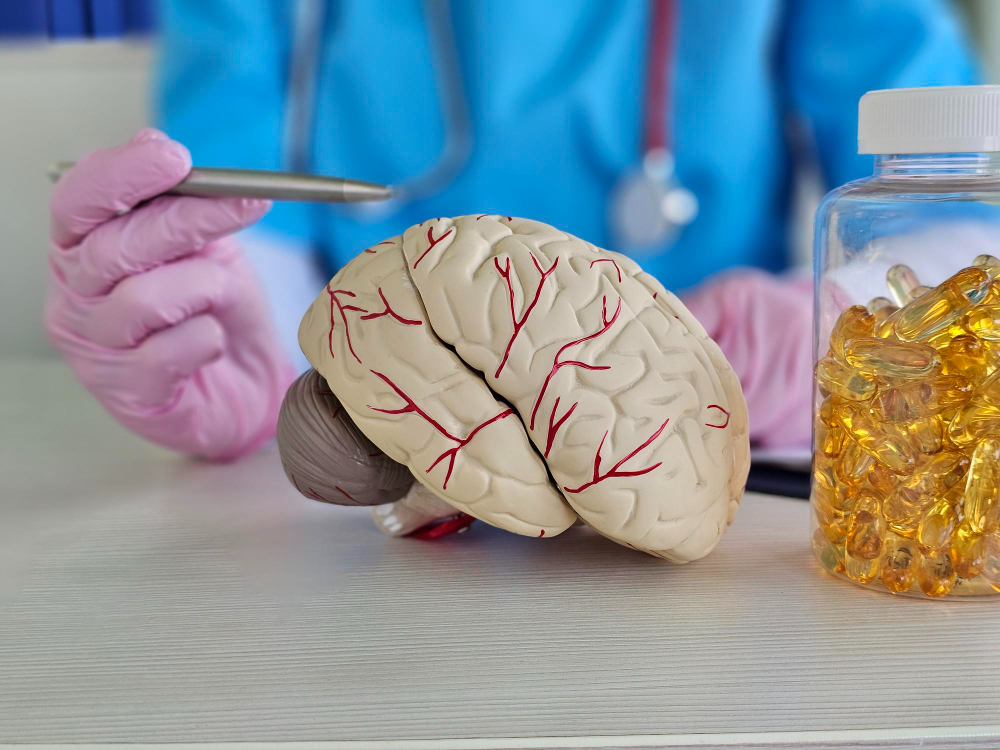
What is a Brain Aneurysm?
A brain aneurysm is a weak spot in a blood vessel in the brain. Over time, this spot can bulge out like a balloon. If it bursts, it can cause bleeding in the brain. This is a serious medical emergency. Many people do not know they have a brain aneurysm until it causes problems. Early treatment can help prevent a rupture. Two main treatments are preventive clipping and endovascular coiling.
Symptoms and Risks of Brain Aneurysm
Often, a brain aneurysm does not cause symptoms until it grows or bursts. However, some people may notice warning signs. For example, you might have:
If an aneurysm bursts, it can lead to a stroke. This can cause brain damage or even death. According to the CDC, about 30,000 people in the United States suffer a brain aneurysm rupture each year. Early detection and treatment are important to lower these risks.
Overview of Preventive Clipping
Preventive clipping is a type of brain aneurysm surgery. In this procedure, a surgeon makes a small opening in the skull. Then, the doctor places a tiny metal clip at the base of the aneurysm. This stops blood from entering the weak spot. As a result, the risk of rupture drops. Clipping has been used for many years and is a common brain aneurysm treatment option.
Overview of Endovascular Coiling
Endovascular coiling is a less invasive treatment. Instead of opening the skull, the doctor inserts a thin tube into a blood vessel, usually in the groin. The tube is guided up to the brain. Next, the doctor places tiny coils inside the aneurysm. These coils help blood to clot, which seals off the weak spot. Many people prefer this option because it does not require brain surgery.
Clipping vs. Coiling: Key Differences
Both treatments aim to prevent a brain aneurysm from bursting. However, they use different methods. Here are some key differences:
Doctors will consider the size, shape, and location of the aneurysm before choosing a method. Your overall health also matters.
Benefits and Risks of Each Procedure
Each treatment has its own benefits and risks. It is important to understand these before making a choice.
Benefits of Clipping
Risks of Clipping
Benefits of Coiling
Risks of Coiling
According to the American Heart Association, both treatments are safe when done by skilled doctors. Still, each person’s risks are different.
How to Choose the Right Treatment
Choosing between clipping and coiling depends on many factors. For example, doctors look at:
Sometimes, one method is safer or more effective for your situation. Therefore, it is important to talk with a neurologist or neurosurgeon. They can explain which brain aneurysm treatment options are best for you.
Recovery and Lifestyle Guidance
After treatment, recovery times can vary. For clipping, you may stay in the hospital for several days. You might need a few weeks to return to normal activities. With coiling, many people go home sooner. However, you may need regular check-ups to make sure the aneurysm stays closed.
During recovery, follow your doctor’s advice. For example:
Staying healthy can help prevent future problems.
Prevention Tips for Brain Aneurysm
While not all brain aneurysms can be prevented, you can lower your risk. Here are some simple tips:
Regular check-ups can help find problems early. If you have a family history of brain aneurysms, tell your doctor. Early testing may be helpful.
Conclusion
In summary, both preventive clipping and endovascular coiling are effective ways to treat brain aneurysms. Each option has its own benefits and risks. Because every person is different, it is important to discuss your choices with a specialist. Consult a neurologist or neurosurgeon at Machireddy Amarnath Reddy for personalized advice on brain aneurysm treatment options.