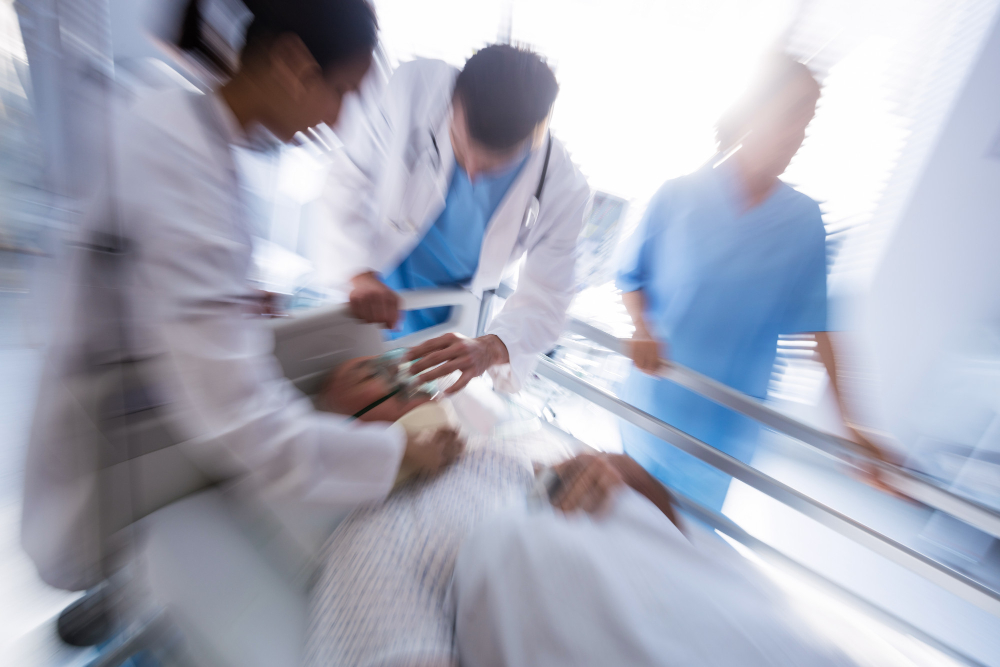
What is Head Injury & Brain Trauma?
Head injury and brain trauma happen when a blow or jolt affects the head or brain. Sometimes, this can be mild, like a bump. Other times, it can be severe and life-threatening. Head injury & brain trauma can damage the brain, skull, or both. Because the brain controls everything we do, even a small injury can be serious. That is why immediate treatment matters. Quick care can save lives and prevent lasting problems.
Common Causes of Head Injury & Brain Trauma
Many things can cause head injuries and brain trauma. Some are accidents, while others happen during sports or daily activities. Knowing the causes can help you stay safe. For example, common causes include:
In many cities, emergency brain injury care is available for these situations. However, acting fast is always important.
Recognizing Symptoms: When to Seek Immediate Help
Sometimes, symptoms appear right away. Other times, they show up hours later. Either way, knowing what to look for can save a life. If you notice any of these signs after a head injury, seek help immediately:
Additionally, children may cry nonstop or refuse to eat. If you see any of these symptoms, do not wait. Call emergency services or go to the nearest hospital.
Diagnosis: How Doctors Assess Head Injuries
When you arrive at the hospital, doctors will check your symptoms and ask about the injury. Often, they use simple tests to see how well your brain is working. For example, they may ask you questions or check your movements. Sometimes, doctors order scans like a CT or MRI. These pictures help find bleeding, swelling, or broken bones. Quick diagnosis is key to choosing the right treatment.
Emergency Treatment and Why Timing Matters
Immediate care can make a big difference after a head injury. First, doctors may give oxygen or fluids to keep you stable. If there is bleeding or swelling in the brain, surgery might be needed. Medicines can help reduce swelling or prevent seizures. Every minute counts because brain cells can die quickly without enough oxygen. Therefore, getting emergency treatment right away can prevent long-term damage or even death.
Recovery, Rehabilitation, and Long-Term Outlook
After emergency care, recovery may take time. Some people get better in days, while others need weeks or months. Rehabilitation helps you regain lost skills. This may include:
With the right support, many people recover well. However, some may have lasting problems like memory loss or mood changes. Regular check-ups help track progress and adjust care as needed.
Prevention Tips for Head Injury & Brain Trauma
While not all injuries can be avoided, many can be prevented. Here are some simple tips:
By taking these steps, you can lower the risk of head injury & brain trauma for yourself and your loved ones.
Conclusion: Act Fast for the Best Outcome
In summary, head injury & brain trauma are serious and need quick action. Early treatment can save lives and improve recovery. If you suspect a head injury or brain trauma, seek immediate medical attention and consult a specialist at Aarka Hospital for personalized care.